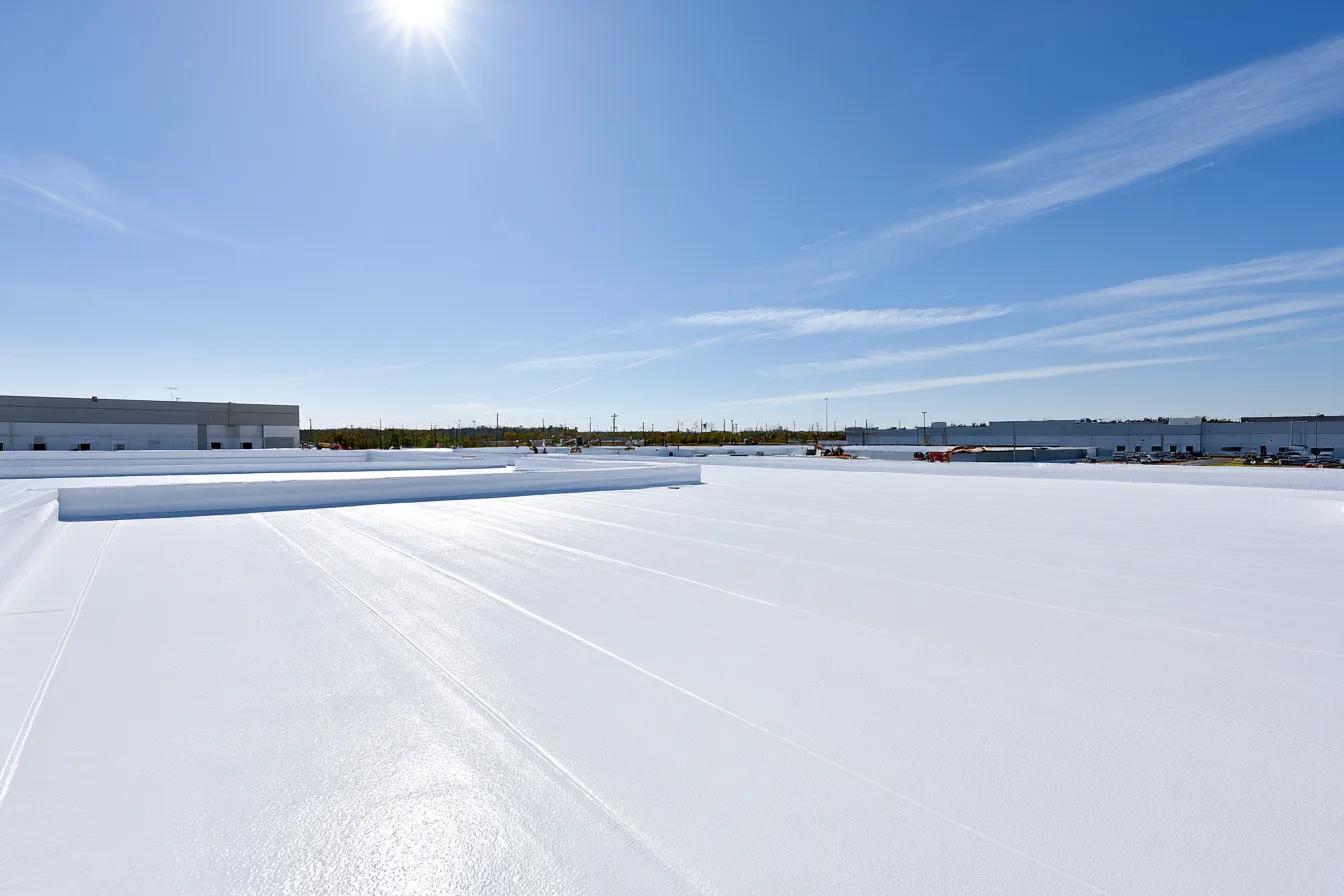
Flat Roof Repair
Patching and seam work on low slope sections over porches and additions.
Explore this service
Fayetteville, AR
A leak over a shop or leased space affects more than the ceiling. For a downtown building with a low-slope roof, the inspection starts with the seams, drains and edges.
Over the square
Patch or the whole roof? Our roofers start by checking the covering, the problem areas and the history of repairs. If moisture beneath the membrane is still an open question, discuss the investigation needed before choosing the work.
If your building has a low-slope membrane roof behind a parapet, the problem may be hidden from the sidewalk. These are the signs worth passing on:
A ceiling tile goes soft in one spot.
The same stain returns after rain.
Water stands in a patch, seen from above.
A drip shows only in a certain wind.
Plan access around the business, and flag an active indoor leak when you request help so temporary protection can be discussed.
Downtown Fayetteville’s historic square and West Dickson’s commercial district are separately listed places. Their masonry storefronts call for a different roofing conversation from an open residential shingle slope.
On a low-slope building, roof-to-wall flashing, drains and access around occupied space matter alongside the covering. The historic listing does not substitute for checking the proposed work against the City’s requirements.
Downtown Fayetteville
The City identifies both on its historic preservation page.

A low-slope roof needs a clear route to its drains or other outlets. Seams, wall flashing and drain connections have to work as part of that assembly. Water left standing after rain is a reason to check the drainage and the covering together.
Our roofer checks the laps for openings, failed bonds or welds and earlier repairs, then follows the signs of water entry across the adjoining details. A repair has to bond or connect properly with the membrane already on the building.
Blocked outlets, low spots or changes in the roof beneath the membrane can leave water standing. Our roofer checks the cause and the material’s condition before proposing drainage changes or repairs. Ponding limits and performance differ by system.
Where the roof meets a wall or parapet, membrane flashing, terminations and metal details need compatible connections. Check those junctions with the open field of the roof.
Washington County has a storm record behind it, and what hail does to a membrane doesn't look like what it does to shingles.
Around the square
Tell us the downtown address, the covering if you know it and where water shows inside. The request can also cover other Fayetteville service areas; the building’s use and access determine how the visit is arranged.
Flat and low-slope repairs can address a contained defect where the surrounding covering is sound. Tell the roofer about earlier repairs as well as the latest leak.
Open the area in Google Maps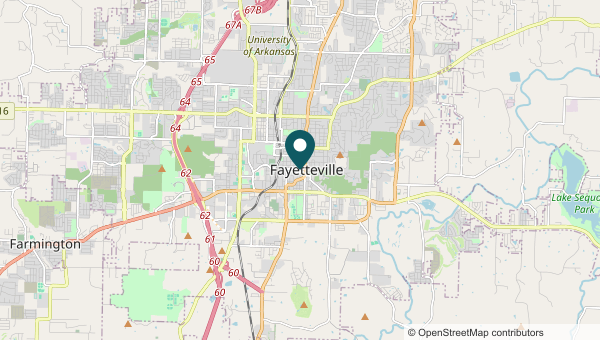
On a downtown commercial building, keeping water out also means protecting the space where people work: flat roof repair, a leak that only shows in one corner, commercial systems on the bigger roofs, and replacement once a membrane is spent. That's not the whole list; the services page has the rest.
Patching and seam work on low slope sections over porches and additions.
Explore this service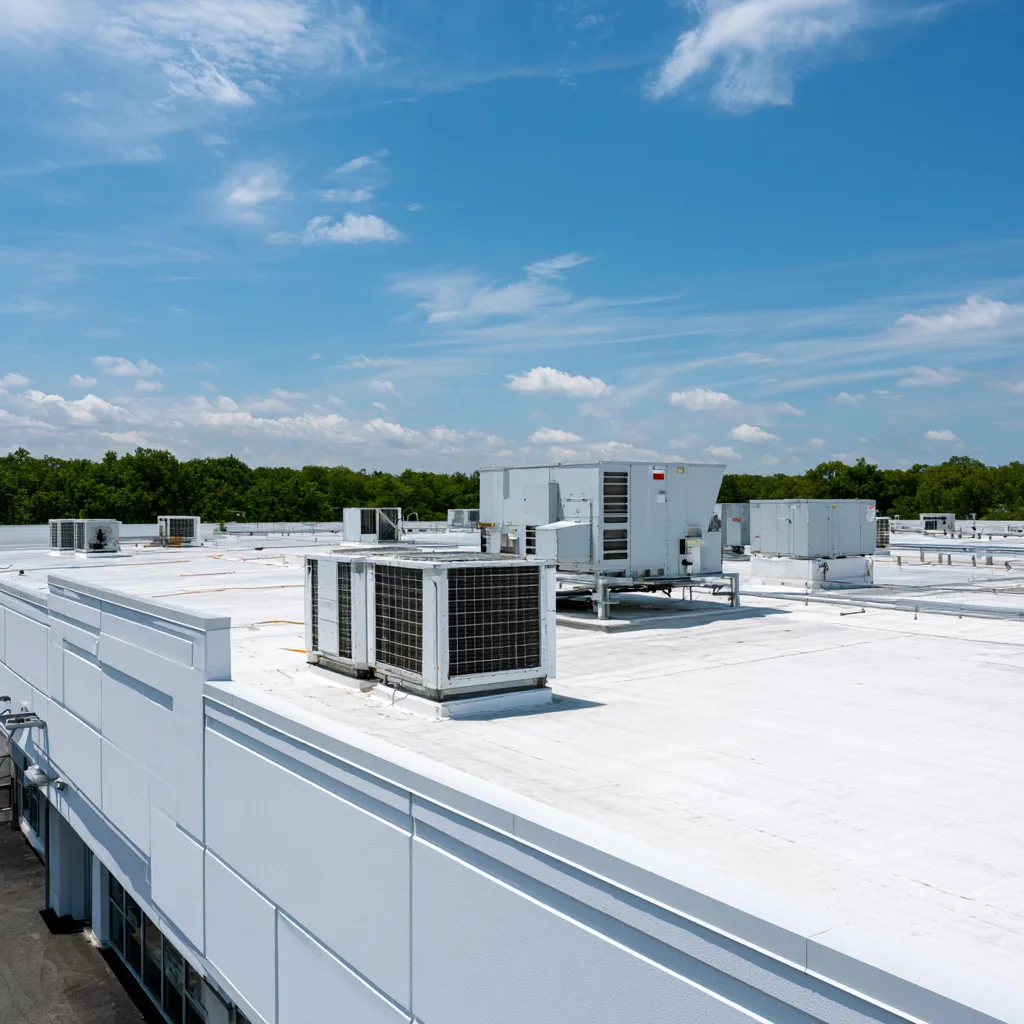
Low slope systems on storefronts, offices and small industrial buildings.
Explore this service
Chasing the water back from the ceiling stain to wherever it's getting in.
Explore this service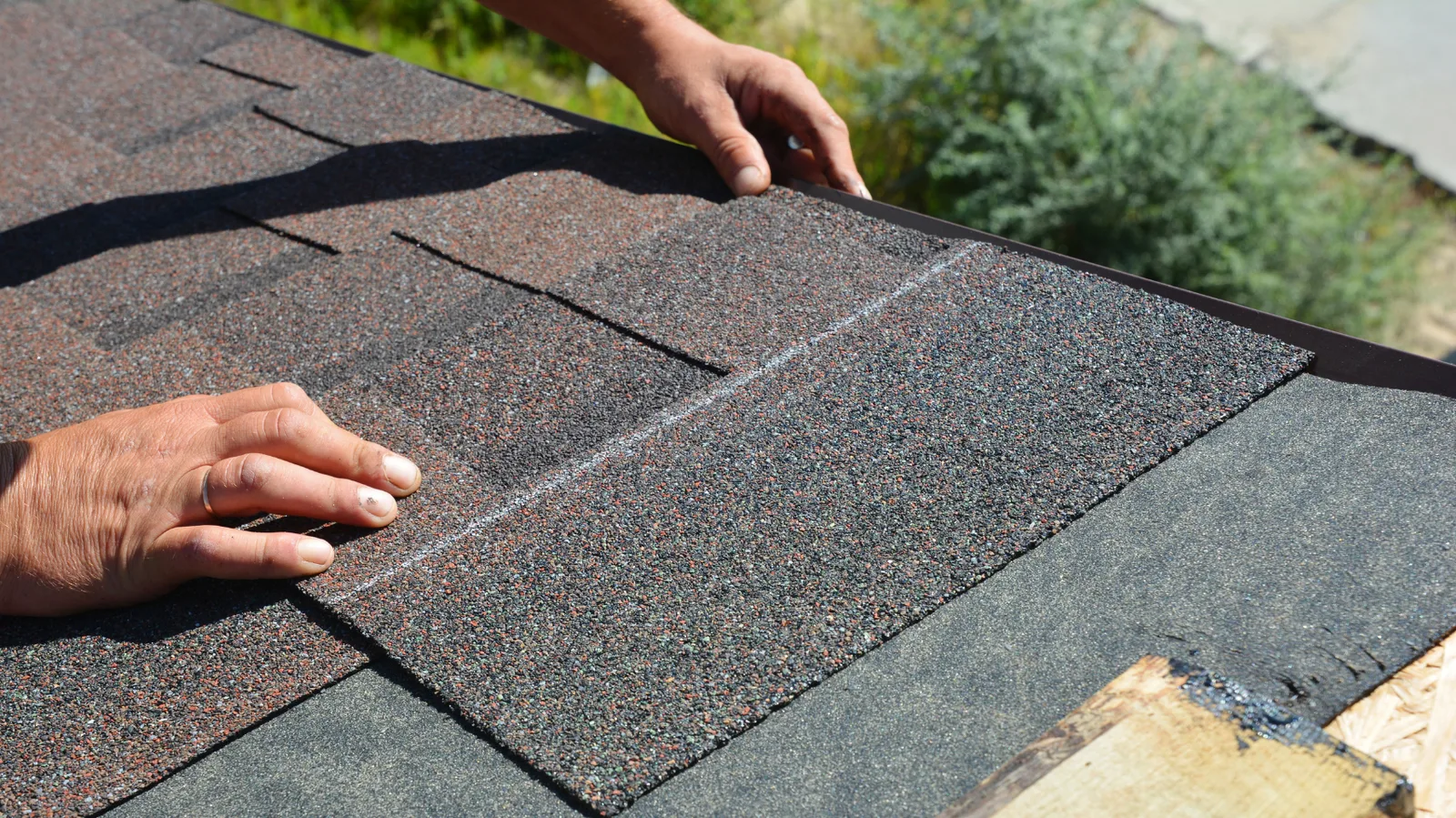
Tear-off to a new covering, with what's under it looked at once the old layers are off.
Explore this serviceBeing asked to decide
Often the inspection can be arranged around occupied space, but access and safety need to be discussed first. Tell the roofer about customer entrances, deliveries and any area where water is getting inside.
Discuss roof access, customer entrances, deliveries and any interior area the roofer needs to see. The assessment connects the leak history with the covering, drains and flashing. Tell the roofer if a stockroom or leased space needs advance access arrangements. Any testing or repair is a separate scope, and its timing needs to work with the building’s use.
The inspection needs to establish whether the defect is local, whether repairs can bond to the existing system and whether moisture has spread beneath it. A recurring seam repair and widespread wet insulation point to different work. The commercial roofing page explains the options.
Often, yes. A low-slope membrane roof uses different seam, attachment and drainage details from a steep shingle roof. Both need to move water off the building. Start with the covering and the assembly already there, then compare a compatible repair with what replacement would involve.

Fayetteville Select Roofing
Send the address, the roof type if known and where the leak affects the space below. Our roofers can discuss a free inspection and the access it needs.
(479) 396-3185