Before the truck
You clear the drive
Cars off the driveway, and anything hanging on a wall inside comes down, because a tear-off shakes a house more than people expect. Landscaping, siding and windows get covered before anything comes off the roof.
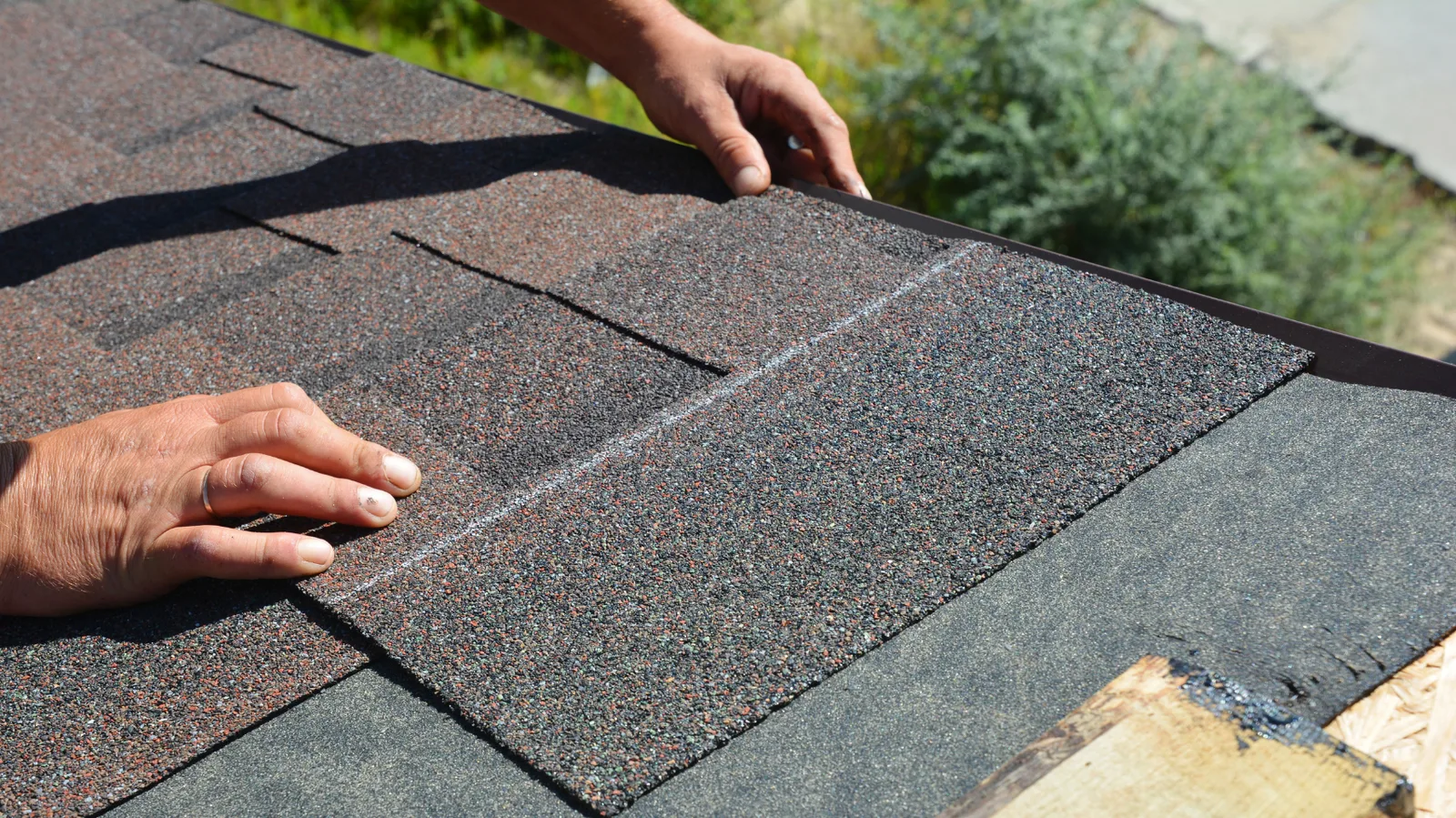
Fayetteville, AR
You'll see exactly what a new roof buys before you agree to it. A big spend shouldn't be a mystery.
Down to the deck
Every asphalt roof around here has a last year in it somewhere, and the hard part is knowing whether yours has reached it yet. That's what our roofer goes up to settle, before anybody names a number.
The deck is the sheathing the shingles fasten to. It needs to be sound, but its full condition may not be visible until tear-off. That is why the replacement proposal should explain both the new covering and how damaged decking will be handled if it appears.

Same list, different deck
A replacement proposal should name the assembly going on your roof, from the deck to the ridge. The rows below show what to account for, including which details can stay and which need changing. Concealed decking gets an agreed allowance before tear-off.
Every old layer comes off to bare wood, so what goes on next is sitting on the deck itself and not on somebody else's shingles.
Soft or delaminating sheathing needs replacing. Staining alone does not establish that wood is unsound; the exposed deck has to be checked for its ability to support the new roof.
A compatible self-adhering barrier protects vulnerable details where backed-up water can get beneath the covering. Specify its locations and extent for the roof design and applicable requirements.
Underlayment provides a secondary water-shedding layer beneath the shingles. The product, fastening and overlaps need to suit the roof pitch and the shingle system.
Wall flashing, valleys and pipe boots need sound connections to the new roof. Damaged, corroded or incompatible pieces need replacing; whether any existing detail can remain depends on its condition and the system instructions.
On a vented attic, check usable intake and exhaust together so blocked soffits or an ill-matched outlet are not carried into the new roof. An intentionally unvented assembly needs its own insulation and moisture-control details rather than vents added by default.
Cap over the peak, and a vent along it where the roof takes one. It's the last course down and the line you can see from the street.
Disposal, driveway access, protection of the grounds and a nail sweep should be part of the agreed replacement scope.
Get the product terms and any contractor workmanship warranty separately. The warranties guide explains what those different promises cover.
Tear-off week
Preparation, removal, deck repairs and the new assembly follow an agreed sequence. Roof shape and weather affect how it runs. The permit guide covers Fayetteville’s starting requirements.
Before the truck
Cars off the driveway, and anything hanging on a wall inside comes down, because a tear-off shakes a house more than people expect. Landscaping, siding and windows get covered before anything comes off the roof.
Tear-off
The removal plan names the layers coming off and how debris reaches the container. Delivery, disposal and protection of the driveway are settled before the first shingles leave the roof.
The deck
Soft or rotted sheets become visible as the roof opens. Agree the decking unit rate and how added work is authorized before tear-off, so the discovery has a clear pricing process.
Back under cover
Before tear-off, agree how the roof will be opened in stages and protected as work progresses. Underlayment and the new details follow the removal plan, with temporary protection and changing weather accounted for.
Ridge and last walk
Field shingles, flashing and ridge details finish the covering. The contractor’s closeout should cover completed work, disposal and the agreed cleanup. Stay on the ground when reviewing the finished roof.
What to tell the roofer
A change you can see from the yard or inside the house is enough reason to ask for a look. Tell the roofer what changed and where. These clues help direct the inspection; none on its own decides that the whole roof is finished.
Stand where a downspout lets out and look at what's collected there. Shingle grit piling up at the bottom of a downspout is the roof shedding its top layer.
Corners lifting or edges curling on a visible slope. The roofer checks the cause, how widespread it is and whether the surrounding shingles can take a reliable repair.
Daylight you have already noticed inside the attic. Report where it appears without going into a dark or unfinished space to investigate. The roofer needs to distinguish an intended opening from a gap that needs repair.
The same ceiling stain returning after repairs. Share what was fixed and when the stain came back, so the water path can be traced instead of assuming the last repair found its source.
Records showing a second covering over the first. Extra roofing adds load and hides the layers beneath it; the layer count affects removal and the investigation of what is underneath.
If the rest of the field is still sound, what you've got is probably a roof repair.
Planning numbers
For 2,400 square feet of roof surface, the current NWA model gives $10,800–$15,000 for architectural shingles, $14,400–$19,200 for premium shingles and $22,800–$34,800 for standing seam. These use published installed rates checked September 7, 2026, with ordinary tear-off included. Premium is the source’s product category, not a price for every Class 4 shingle.
The cost guide explains the sources, measurement method and exclusions. Our roofers assess whether replacement is useful before discussing a new covering.
Open the cost guideHow many squares are actually up there is the biggest single input, and it isn't the same number as the square footage of the house.
A steep slope is slower and needs staging, so the same square costs more on a roof nobody can walk.
A second covering to strip is a second tear-off, and it lands in the labor before a single new shingle goes down.
The extent of hidden damaged decking may remain unknown until tear-off. Agree the unit rate, any included allowance and the change process beforehand.
Whether a dumpster fits in the drive, and whether a truck can get near the house, both change what the job costs to run.
The year a Fayetteville house was built does not tell us how many roof coverings are on it or whether the decking is sound. An older house may have a recent roof, and a newer one can have a leak that has reached the sheathing. Our roofers start with the existing assembly and visible condition, then separate known work from decking that can only be assessed once the covering comes off.
Check the existing layers and roofing materials before pricing their removal. Access, disposal and the roof layout belong in that same scope, so the estimate reflects the work at this property.
A sound sheet can stay; damaged or unsuitable decking needs attention before it supports the new roof. Ask for the replacement unit price or allowance and how additional work will be agreed. That belongs in an estimate for a newer house as much as an older one.
Weighing asphalt against metal is a separate call, and the roofing materials guide sets them side by side.
Before the tear-off
Answers to the choices that tend to come up before a replacement.
Replacement becomes worth comparing when damage is widespread or the remaining shingles cannot support a lasting repair. Repeated leaks call for tracing the cause before deciding how much roof to remove. With a contained defect and sound material around it, roof repair stays in the conversation.
Roof replacement can often happen while the home is occupied. Noise, falling debris, driveway access and any structural damage affect that decision. Agree access and safety arrangements with the contractor before work starts, especially if someone sleeps during the day or works from home.
Product coverage comes from the manufacturer. Any workmanship warranty comes from the contractor who offers it. The length, exclusions and transfer terms vary, so get them in writing before hiring. The warranties guide sets out the questions.
Winter replacements happen, but asphalt shingles need warmth to seal down properly, so a cold stretch can change when the work starts without changing whether it can be done. You'll hear it if the calendar is working against your roof.
Impact-rated shingle costs more per square and is made to take hail, which is why it comes up on roofs around here at all. Whether it earns the difference on your house comes down to how long you plan to be in it, and the estimate can carry both numbers.
Fayetteville Select Roofing
If the roof is wearing out, let our roofers take a look. You can then compare what replacement would solve with any repair that still makes sense.
(479) 396-3185