01
You tell us what you see inside
Tell us the room where the water shows up, roughly when it started, and whether it tracks with the rain. That's enough to send someone to the right part of the roof.
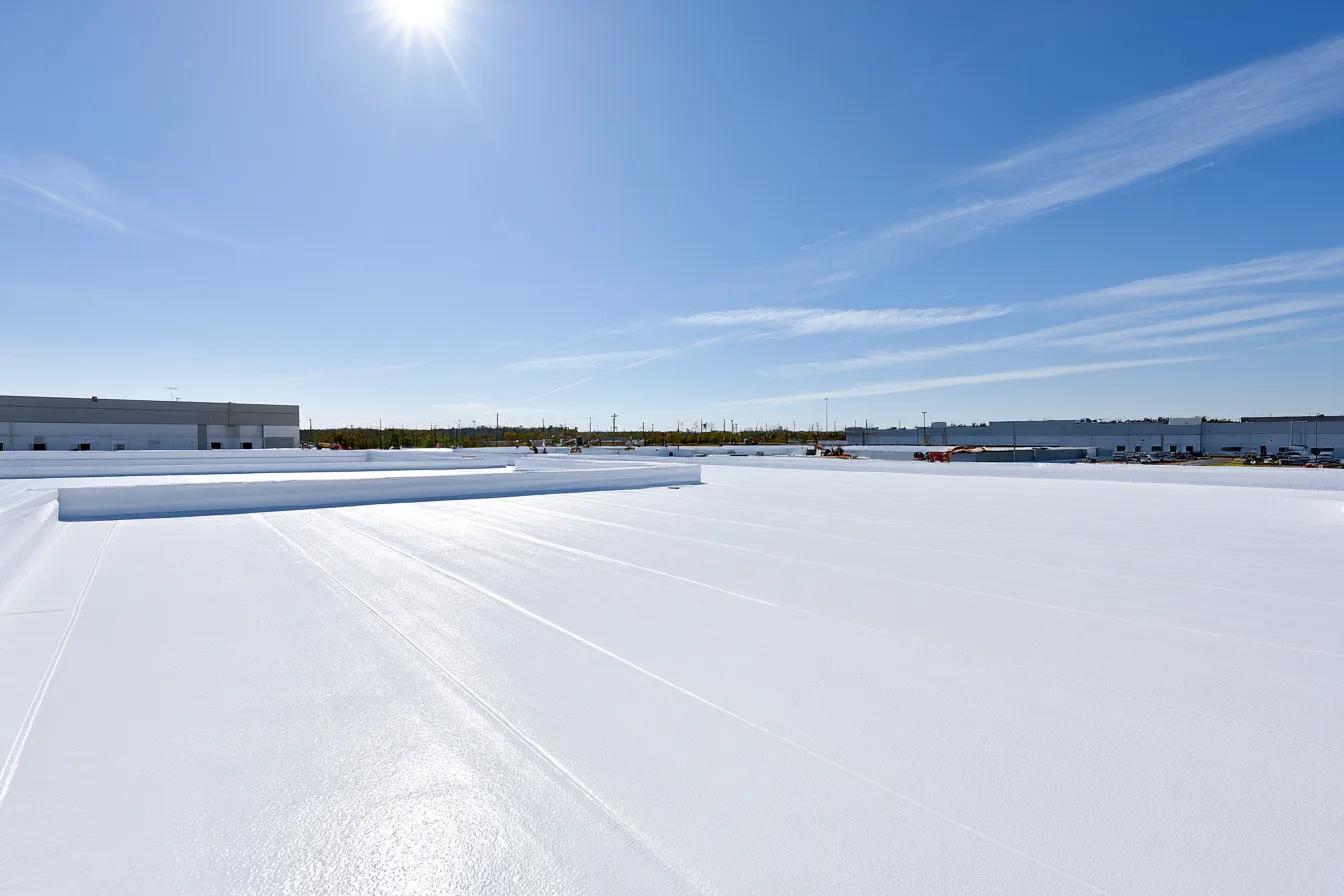
Fayetteville, AR
A leak over a porch, garage or addition can start at a seam, flashing or drain. Our roofers check the low-slope assembly before deciding what needs repair.
Finding the leak
The stain over the back addition is wider than last month, so which part of that roof do you send Fayetteville Select Roofing out to repair? You don't have to know: water runs sideways across a low slope deck and drops through the first gap it finds.
A hard-to-place leak does not mean the whole roof is finished. A defined seam or flashing failure may allow local repair, while widespread wet or deteriorated material needs a wider scope.
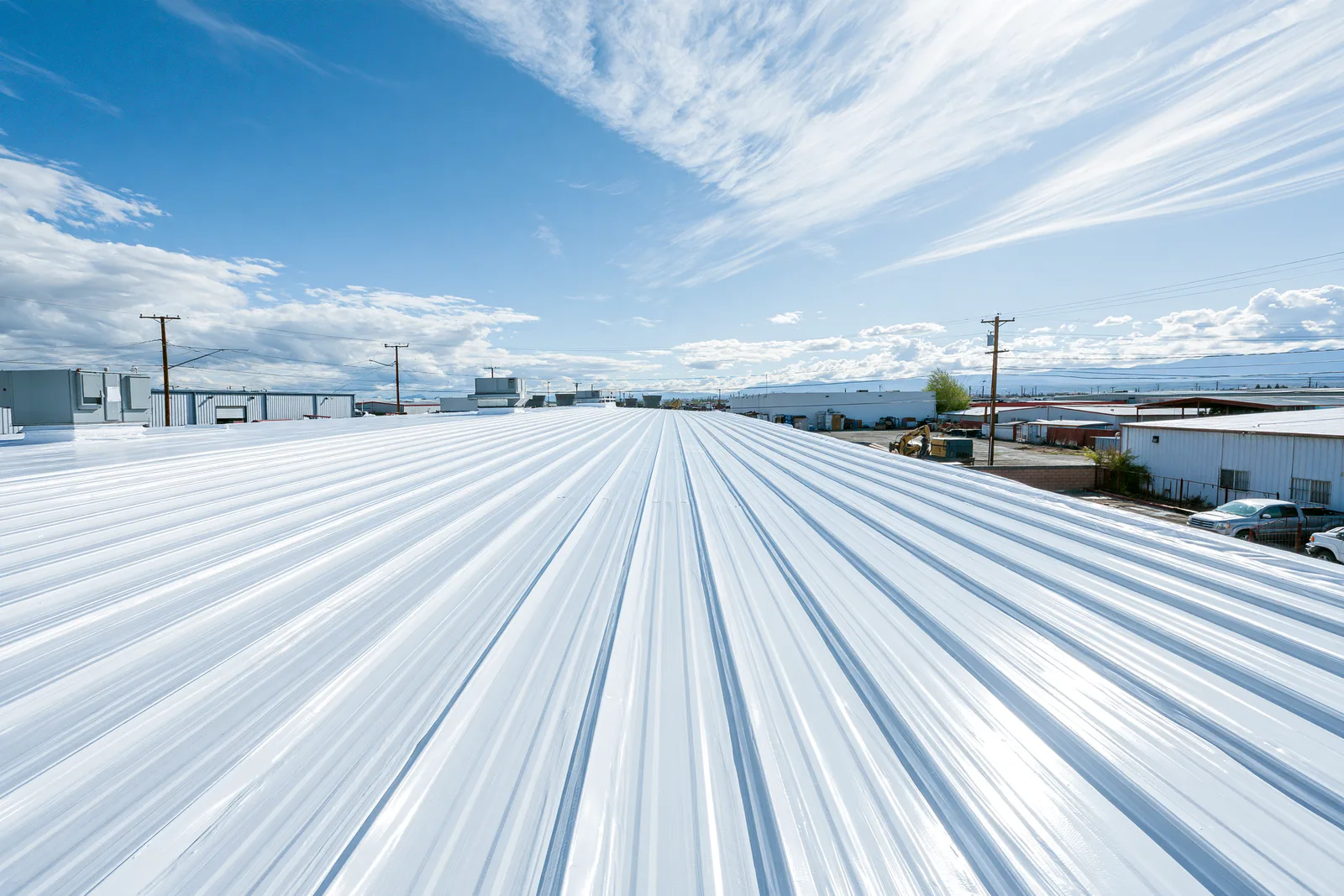
Where low slope lets go
Low-slope repairs start with the existing material and the source of the leak. These details help establish whether compatible local work can return the area to sound condition.
Open or lifted laps can admit water. The repair method has to suit the membrane and the condition around the seam.
Where the roof runs into a wall, a skylight curb or a vent pipe, metal and membrane have to be joined. It's one of the first details opened up on a leak call.
Persistent ponding deserves investigation of drainage, geometry and the assembly. Its effect depends on the material; the same surface repair will not cure every cause.
Leaves and grit back the water up onto the field of the roof. Sometimes the drain was never big enough for the area it carries.
A raised area can involve trapped air or moisture. Its location and condition determine whether it needs repair, rather than assuming every blister is already leaking.
A previous patch may be incompatible with the membrane or poorly bonded. Identify both materials before choosing how to remove or rebuild it.
The repair scope follows the actual condition. Arrange any testing or formal report needed beyond the free inspection.
In order
Our roofers check the membrane, edges, flashings and drainage together. If the work reaches decking, confirm the current permit requirements and who will handle them.
01
Tell us the room where the water shows up, roughly when it started, and whether it tracks with the rain. That's enough to send someone to the right part of the roof.
02
Safe access allows the membrane, seams, flashings and drainage to be assessed. Signs of moisture may require further investigation before the full affected area is known.
03
Discuss the source and extent with the roofer. Agree any photographs, testing or written report you need for your records.
04
The proposal should identify the work, compatible materials and any allowance for concealed damage. Wider deterioration may make replacement more useful.
05
Approve the scope and scheduling with the contractor. The repair method’s surface and weather requirements affect when the work can proceed.
Pricing a repair
Five things move the price of a flat roof repair: how much seam has to come up, how far the wet insulation runs from the failure, what condition the drains and flashings are in, whether the deck underneath still holds, and how hard the roof is to get to. A repair that holds for years usually beats paying for a new roof now, and when it doesn't, you'll hear that first. Replacement ranges live on the cost guide, and they price a sloped shingle or metal roof.
See the replacement rangesSeam footage: a short split and a whole open lap are different jobs.
Wet insulation: whatever came in at the failure has usually spread, and the soaked board comes out with the patch.
Drains and flashings: a drain that has to be reset, or a wall flashing rebuilt, is detail work on top of the membrane repair.
Decking: a soft deck means boards out, and a bigger patch than the leak suggested.
Access: a second story porch or a roof reached only by ladder takes longer to stage and to clean up.
Weather and wear
Hail and wind can damage a low-slope roof, while drainage and repeated movement can work on its details between storms. A nearby storm report does not date a leak on its own.
Persistent water calls for checking drains, outlets and roof geometry, as well as the membrane’s condition.
The sheet expands and shrinks back every day, and the seams are what absorb that movement.
Impact can affect the membrane and details; uplift can stress attachment and edges. An inspection needs to establish what actually changed.
Questions
The ones that come up most often on porch, garage and addition roofs.
Water can travel between layers before it reaches the ceiling. The wet spot is a useful starting point, but tracing the entry may mean checking another part of the roof. See leak repair for the wider diagnosis.
Often there is a useful correction, but first establish why water remains. A blocked drain, low area, misplaced outlet or wider slope problem calls for different work. The roofer can assess drainage and roof condition, then explain whether the correction is local or needs a larger change to the assembly.
A local seam or flashing failure in a serviceable membrane can be repairable. Widespread wet insulation, poor attachment or deterioration across the roof can point toward replacement. The condition and extent of the damage decide the scope; a wet spot alone does not condemn the whole roof.
Coverage varies with the repair, material and contractor. Ask for the terms offered on this scope, including what existing roof conditions remain outside them. The warranty guide explains how to compare coverage.
The source, affected layers, material and access decide the price. A surface patch and replacement of wet insulation are different scopes. Our cost guide is for steep-slope replacement planning and does not price a membrane repair.
Fayetteville Select Roofing
Tell us where water shows up and how long it has been happening. Request a free inspection so our roofers can help identify the low-slope repair you need.
The price follows the cut: however much wet board has to come out before the patch goes on.
(479) 396-3185