Tear-off
The old roof comes off whole
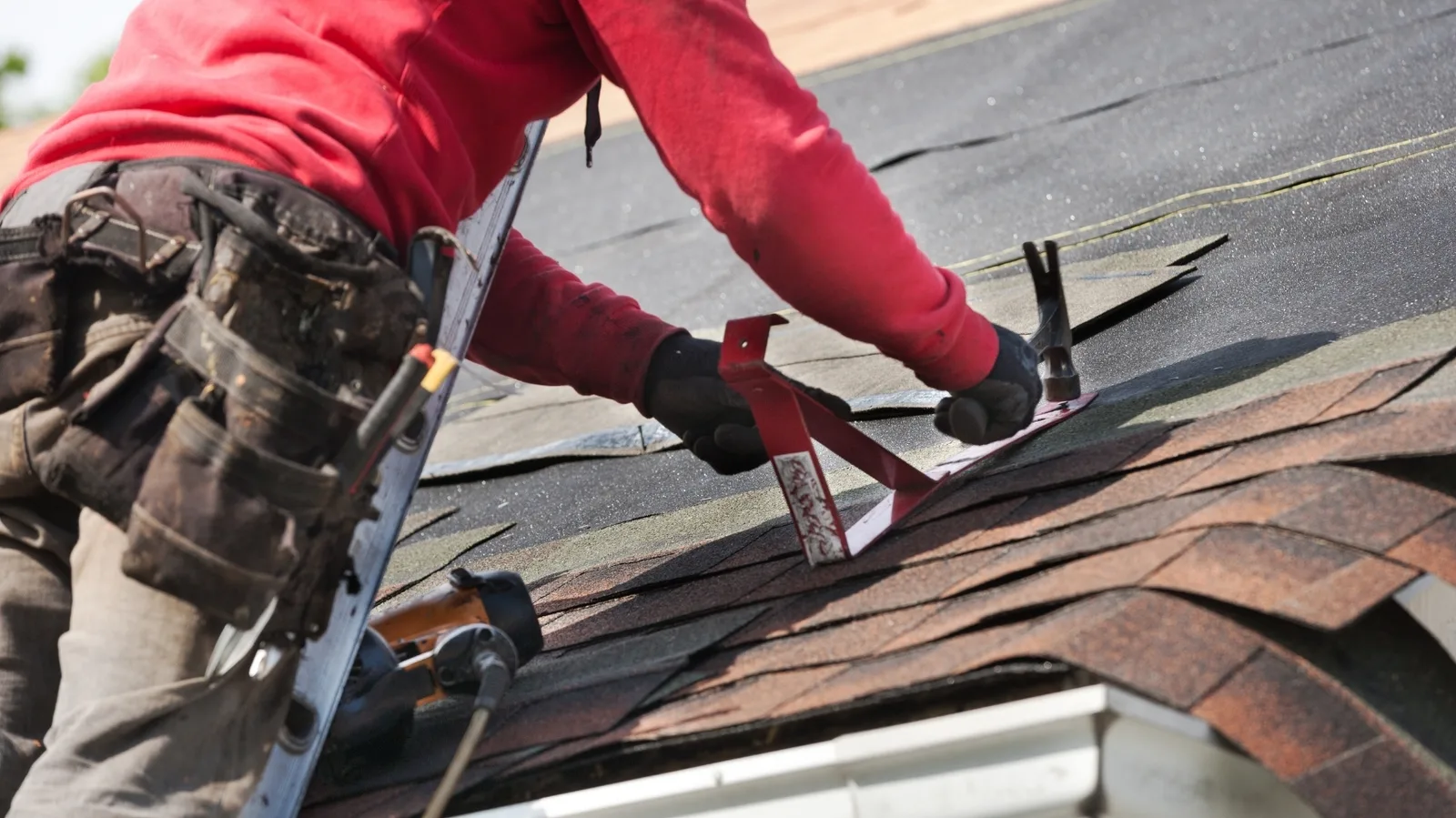
For a tear-off replacement, the existing covering is removed so the roofer can assess the deck. The scope should identify the layers being removed.
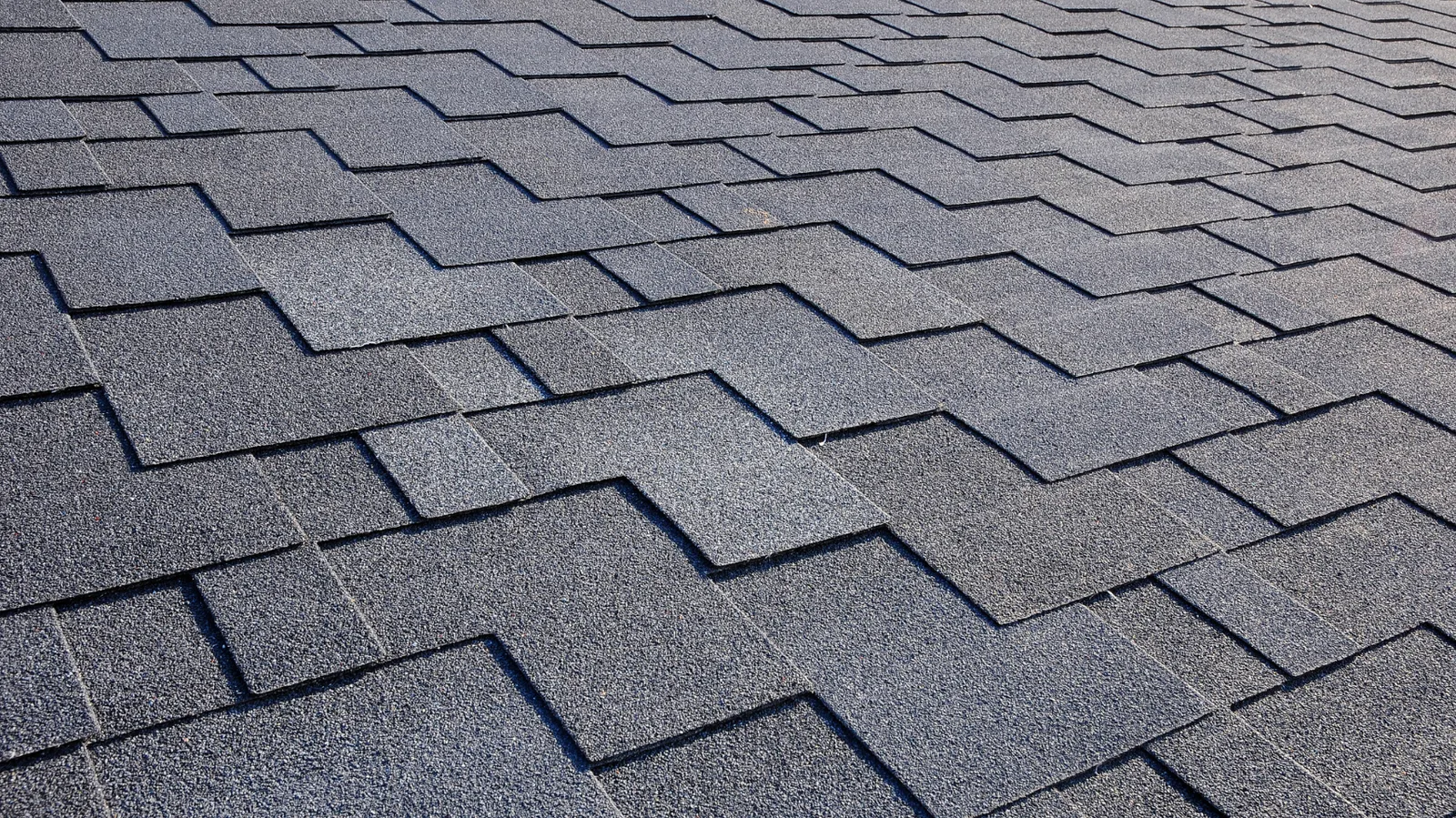
Fayetteville, AR
Work out what an asphalt shingle roof on your house costs. Look beyond the shingle color to the layers and details in the estimate.
Under the shingle
You’re looking at an estimate for a new shingle roof. The visible covering is only part of the work you need to compare.
Underlayment, eave protection, flashing and fastening all have a job to do. You do not need to know every installation detail before calling a roofer. This page explains enough to help you read the scope and ask about a missing item.
What a good estimate names
A useful estimate names the proposed materials and explains the work at the roof’s edges and openings. That gives you a scope to compare alongside the total.
Plywood, OSB or another permitted substrate supports the covering. Unsound material needs attention; a dark stain alone does not prove that a panel must be replaced.
Where the specified assembly requires a self-sealing membrane, the estimate should identify its location and extent. It helps manage water backing up beneath the shingles.
The specified underlayment provides a water-shedding layer beneath the shingles. Its exposure limits and installation details matter while the roof is open.
Metal at the eaves and the rakes that carries water off the edge instead of behind the fascia.
Walls, valleys and pipes interrupt the shingle field. Their flashing needs to connect with the new covering so water can move past those junctions.
Nail type, count and placement must suit the product and installation conditions. Check the particular product’s requirements and wind-coverage terms.
The ventilation design should suit the assembly, code and manufacturer’s requirements. Blocked intake or mismatched exhaust needs attention alongside the covering.
Compare the proposed product coverage and contractor workmanship terms. The warranty guide explains the questions behind each document.
The proposal should identify the roof’s layers and details, not just the shingle color. The shingle guide compares the visible grades and product ratings.
Tear-off to ridge
Roof shape, size, access, weather and concealed repairs all affect the work. Discuss the sequence and site protection before tear-off begins.
Tear-off
For a tear-off replacement, the existing covering is removed so the roofer can assess the deck. The scope should identify the layers being removed.
Deck check
With the old covering removed, the roofer checks the deck and addresses unsound material. Staining alone does not decide that a panel must be replaced.
Underlayment
The roofer installs the specified underlayment and leak-barrier details. Temporary exposure and rain protection need to suit the chosen materials and conditions.
Edges and field
You see drip edge set at the eaves and the rakes, flashing go in at every wall, valley and pipe, and the field run bottom up on the shingle maker's own nailing pattern.
Ventilation
Ventilation details need to suit the assembly and product requirements. The closeout should also cover disposal, the agreed cleanup and the completed scope.
What it runs
The current regional planning range for architectural shingle replacement is $4.50–$6.25 per square foot of roof surface, or $450–$625 per roofing square. Ordinary tear-off is included. A 2,400-square-foot roof surface gives a planning total of $10,800–$15,000.
The source is a Northwest Arkansas installer’s 2026 guide, checked September 7. It is not a measured Fayetteville average or a quote. See the cost guide for the model, comparison products and exclusions.
See how the band breaks downArchitectural shingle replacement in the cited regional planning model. A roofing square is 100 square feet of roof surface.
Tear-off is inside the band and not a separate line underneath it.
Extra layers, difficult access, steep or complex roofs and other unusual work may move the price beyond the planning range.
Concealed decking damage can change the repair quantity once the covering is removed. Agree on unit prices and approval for added work before tear-off.
Every roof is different, and this band is for planning, not for signing.
An asphalt roof needs more than a wear layer. Eave protection, ventilation and flashing help the assembly handle water and moisture in places a shingle choice alone cannot fix.
Meltwater can back up behind ice at the eave. Discuss the leak-barrier detail specified for your house without treating it as a guarantee against ice-dam damage.
Heat and moisture management depend on the whole attic assembly. Check intake, exhaust and insulation conditions rather than choosing extra vents from a shingle’s appearance.
Neither one shows up in the shingle you pick. Both of them show up in what goes under it.
Layers and lifespans
What comes up most between the first estimate and the day the old shingles come off.
A layover keeps the existing covering in place and limits the view of the deck. Removing the old roof gives the roofer a fuller opportunity to inspect and repair that support. Whether a recover is allowed depends on the existing roof and applicable requirements; the permit page is where that lives.
The assembly includes suitable decking, underlayment, roof-edge details and flashing around openings and adjoining walls. Leak barriers and ventilation details depend on the roof and product requirements. The estimate should identify the proposed assembly.
A straightforward roof can take less time than one with difficult access, many valleys or steep slopes. Weather and concealed repairs can change the schedule. Ask for the expected sequence and how the roof will be protected during the work.
Ask which manufacturer or system coverage is available and what workmanship terms the contractor offers. They vary by product and project. The warranty guide helps you compare scope and exclusions.
Product choice, fastening, flashing, deck condition, weather exposure and attic design all contribute. A vented attic needs usable intake and exhaust; an unvented assembly needs its own moisture-control design. Warranty exclusions also depend on the product and cause of damage. The shingle guide helps compare the material choices without treating a printed lifespan as a replacement date.
Fayetteville Select Roofing
Tell us what needs attention and request a free inspection. Our roofers can help you compare a repair with replacement and discuss suitable shingles when a new covering makes sense.
Pitch, layer count and the deck underneath are what move the price, and all three are read on the roof.
(479) 396-3185