The measure
Somebody gets on the roof you have
Measurements, pitch, penetrations and available deck information establish the starting scope. The condition needs checking against records or remote measurements.
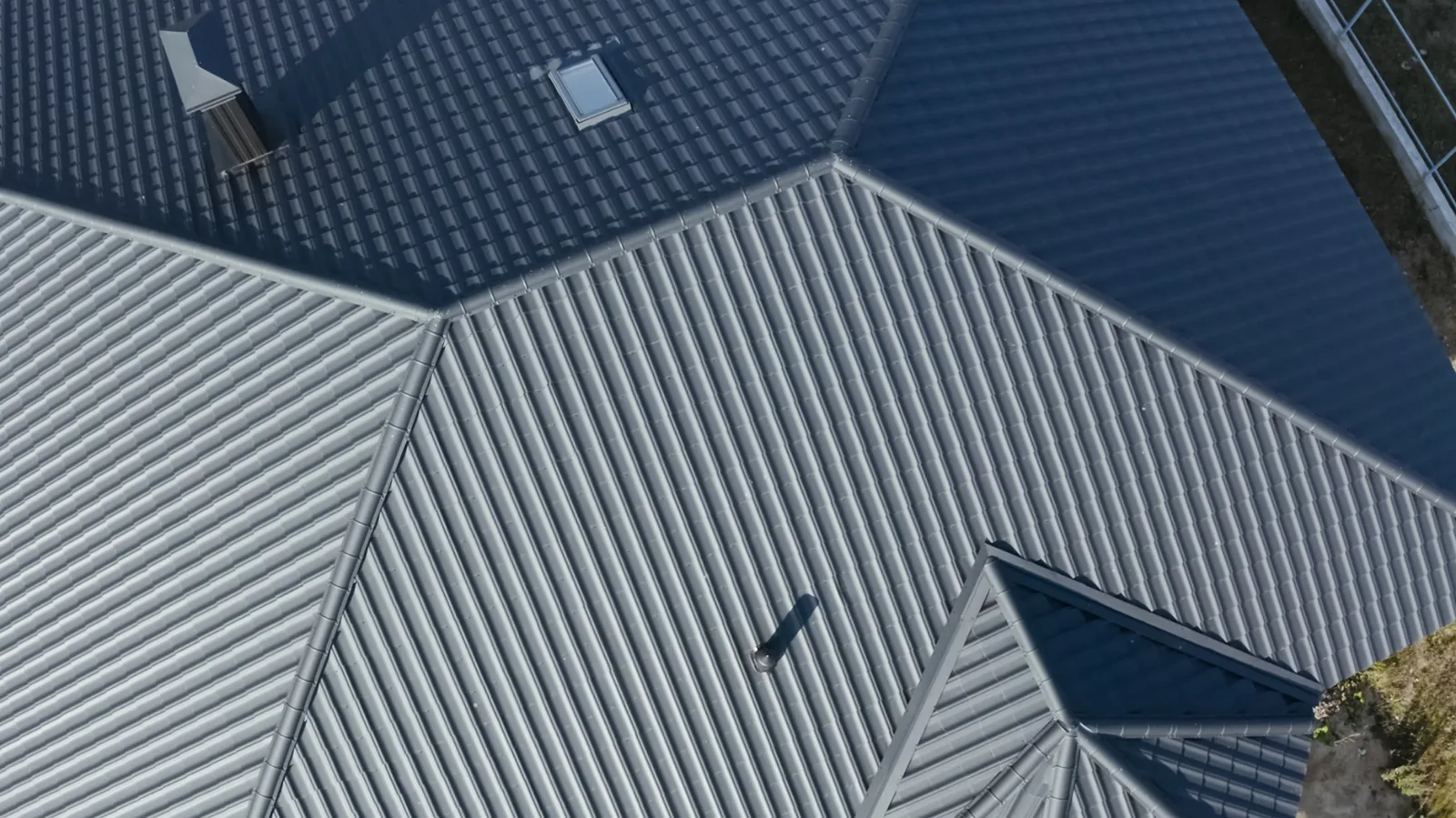
Fayetteville, AR
Standing seam and exposed-fastener panels are two metal options worth comparing. Pin down the profile, attachment and complete assembly before comparing the price.
Two roofs, one word
A metal roof is worth pricing here, and Fayetteville Select Roofing would rather you know which system a quote means. This page compares standing seam and exposed-fastener panels; metal tile, shingles and other specialty profiles are available too.
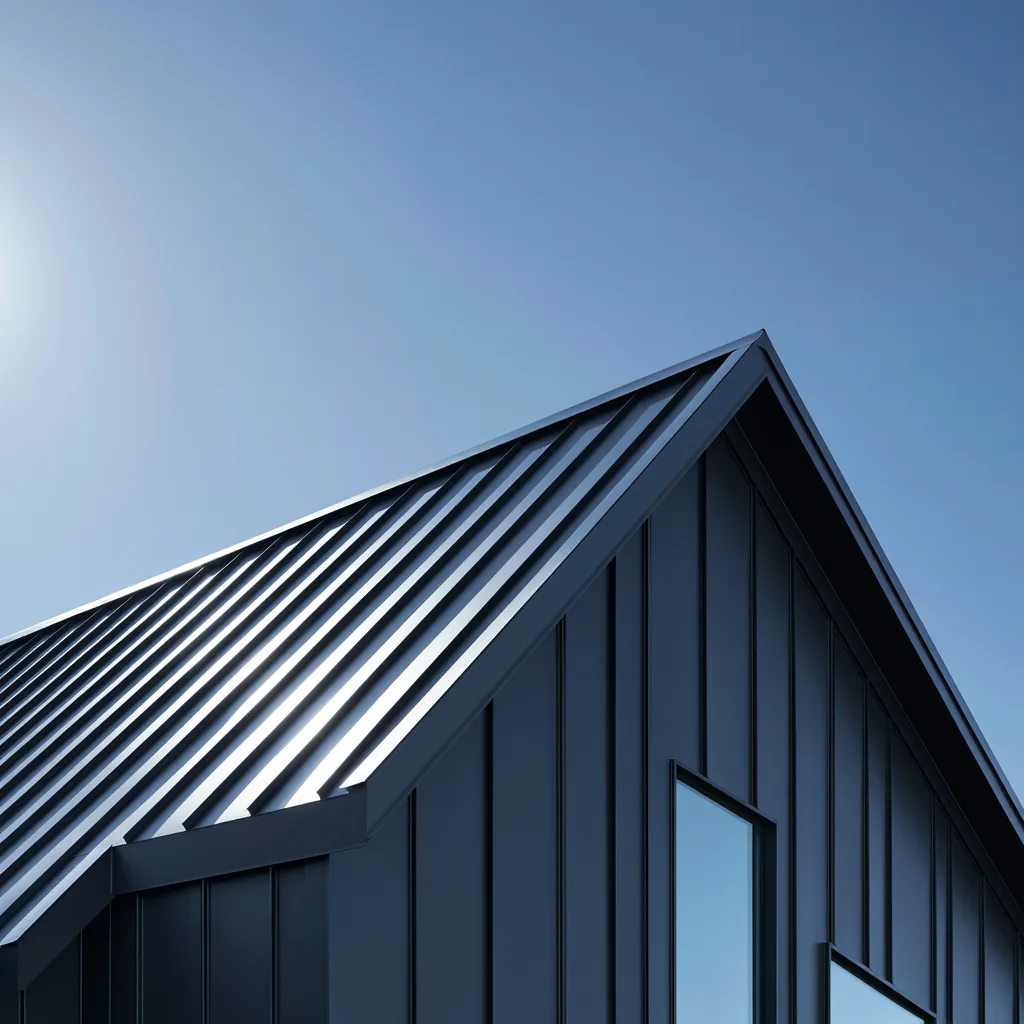
Standing seam conceals the main panel fasteners. Exposed-fastener systems fix through the panel face and need attention to those screws and seals over time. Each includes several profiles with different requirements. Our roofers can help you compare the product, attachment and maintenance before the price decides the choice.
Panel, and everything beneath it
Metal is an assembly: panels, substrate, underlayment and details have to suit one another. Compare the available coverage in the warranty guide alongside the specified system.
For a tear-off, the exposed deck is checked before the new assembly covers it. Some metal systems have other permitted substrates; use the selected system’s requirements.
Use underlayment suited to the panel, substrate and exposure. Temporary weather protection during the work needs its own plan.
Standing-seam profiles conceal the main panel attachment, using the clips or direct fastening their design calls for. Exposed-fastener panels have fasteners through the face. The chosen profile sets the attachment and the inspection or replacement requirements for fasteners and seals.
Valleys, walls, chimneys and pipes need compatible flashing details. Sound field panels cannot make up for an opening at one of those junctions.
Ridge caps, closures and drip edge finish the top and bottom of the run and keep wind-driven rain out of both.
Panel dimensions, finish and availability belong in the schedule before an order is placed. Custom lengths and the supplier’s lead time can affect when installation is practical.
Panel, finish, weathertightness and workmanship terms may be separate, and availability varies. Ask which documents apply to the proposed roof.
Compare the named profile, metal thickness, finish, attachment and underlying work. A total without those details leaves too much of the roof unspecified.
From ask to finished roof
Our roofer measures the roof to establish panel dimensions and the quantity of flashing. Metal thickness is a separate specification, chosen with the profile and the system's requirements.
The measure
Measurements, pitch, penetrations and available deck information establish the starting scope. The condition needs checking against records or remote measurements.
Both numbers
If you are weighing metal against asphalt, request scopes that include the appropriate details for each. The underlying work may differ along with the covering.
The order
The selected profile, dimensions, metal thickness and finish are confirmed for the approved scope before the order goes in.
The install
The approved assembly follows preparation and any deck repairs, with panels, attachment and flashing installed to the selected system’s requirements.
Installed cost comparison
Current Northwest Arkansas planning sources put standing-seam replacement at $9.50–$14.50 per square foot of roof surface, compared with $4.50–$6.25 for architectural asphalt, installed with ordinary tear-off included. For 2,400 square feet of roof surface, that is $22,800–$34,800 for standing seam and $10,800–$15,000 for architectural shingles.
These are regional planning ranges checked September 7, 2026, not a Fayetteville average or a price for exposed-fastener panels. See the cost guide for sources, assumptions and exclusions.
Compare the full cost rangesRoof shape: hips, valleys, dormers and skylights each add cut panels and flashing, and cut panels are where a metal job gets expensive.
Substrate: the support has to suit the selected system. Damaged decking or preparation of another permitted substrate can add work to the proposal.
Slope and access: a steep roof, or one panels can't be staged near, costs more to load than a simple ranch.
Ownership costs: compare the product, maintenance and likely repairs without treating a generic lifespan as a guaranteed payback.
Planning ranges only: these are Northwest Arkansas figures, and nobody prices your roof without measuring it first.
Nearby NOAA reports include damaging hail, but the effect on one metal roof still needs inspection. A dent, a damaged seam and a punctured flashing are different findings.
Check whether your policy includes a cosmetic-damage exclusion and how it applies to the proposed roof. A roof seller cannot decide the insurer’s coverage.
Whether an impact-rated roof earns a credit on your policy is a question only your own carrier can answer, and the answer differs from one to the next. Neither a roofer nor a website settles it for them.
Panels, seams, attachment and flashing work together. Impact can affect appearance or function, so inspect the details as well as the open field.
The storm guide includes the nearby NOAA archive and explains its limits.
Cost, noise, hail
Owners pricing metal for the first time, and landlords weighing whether a rental is worth the up-front difference.
The current regional planning ranges are $9.50–$14.50 per square foot for standing seam and $4.50–$6.25 for architectural shingles, including ordinary tear-off and installation. The cost guide gives the sources and exclusions. Your roof’s details decide the actual difference.
Ask your insurer whether the specific product qualifies for a discount and which policy terms apply. If the roof has a cosmetic-damage exclusion, dents that do not affect its function may be treated differently from damage that needs repair. Confirm both points with the carrier before counting an insurance saving in the price comparison.
It can. Dents may be cosmetic, but seams, flashings and panels can also suffer functional damage. An inspection is needed to distinguish them. Nearby reports in the storm archive provide event context, not an address-level diagnosis.
Rain sound depends on the whole assembly, including the substrate, insulation, attic space and ceiling beneath the panels. Ask how the proposed system addresses sound over your rooms. A panel type alone cannot tell you how rain will sound inside this house.
Product, finish, installation, exposure and upkeep all matter. A metal roof can offer long service, but no generic year range guarantees when your roof will need replacement. Compare the maintenance requirements and material choices with the time you expect to own the house.
Fayetteville Select Roofing
Considering metal? Request a free inspection and tell our roofers whether you also want to compare shingles. Start with suitable systems and a complete scope for each.
Include any substrate repairs or preparation required by the selected metal system when comparing the totals.
(479) 396-3185