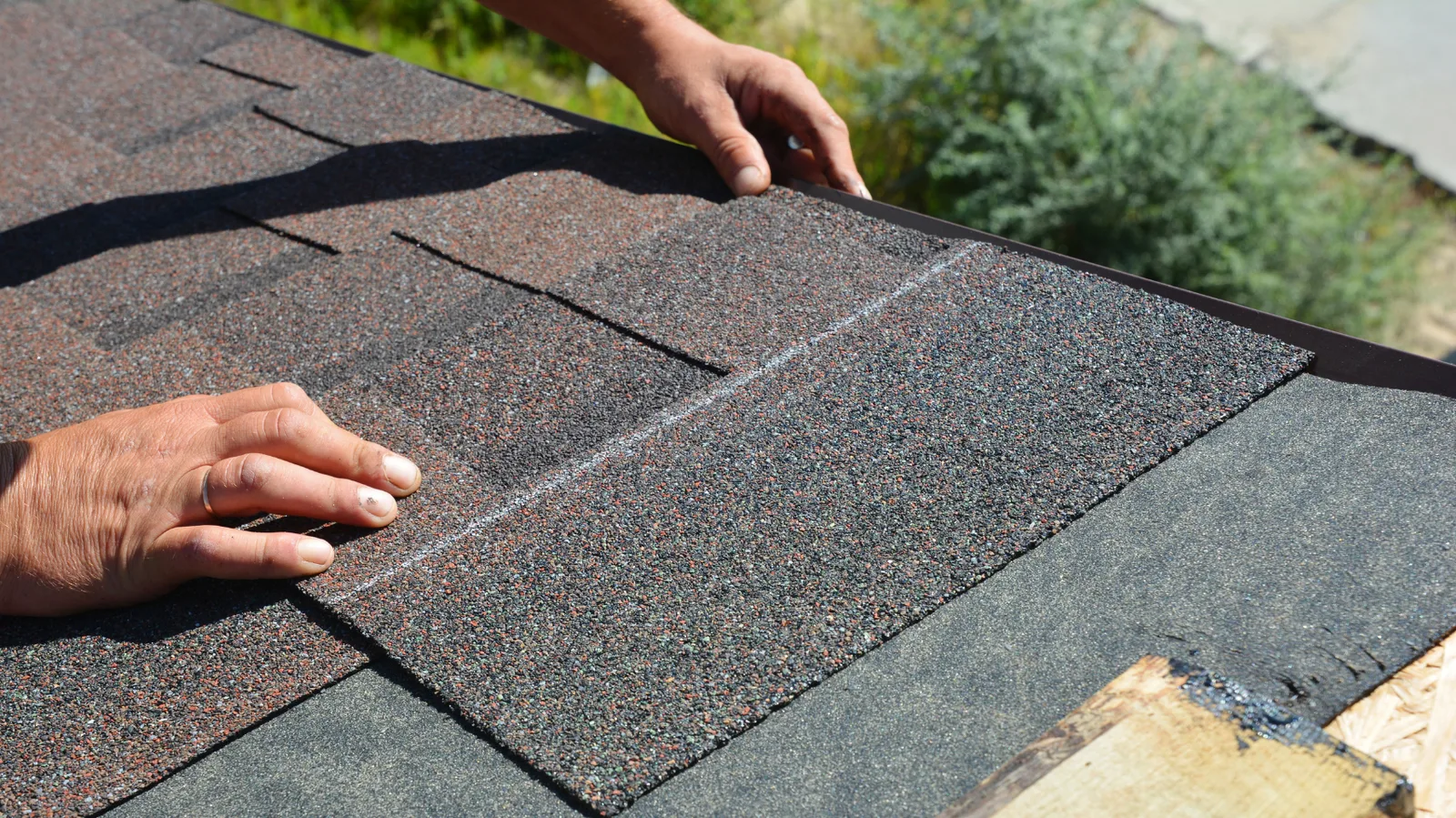
Roof Replacement
Tear-off to a new covering, with what's under it looked at once the old layers are off.
Explore this service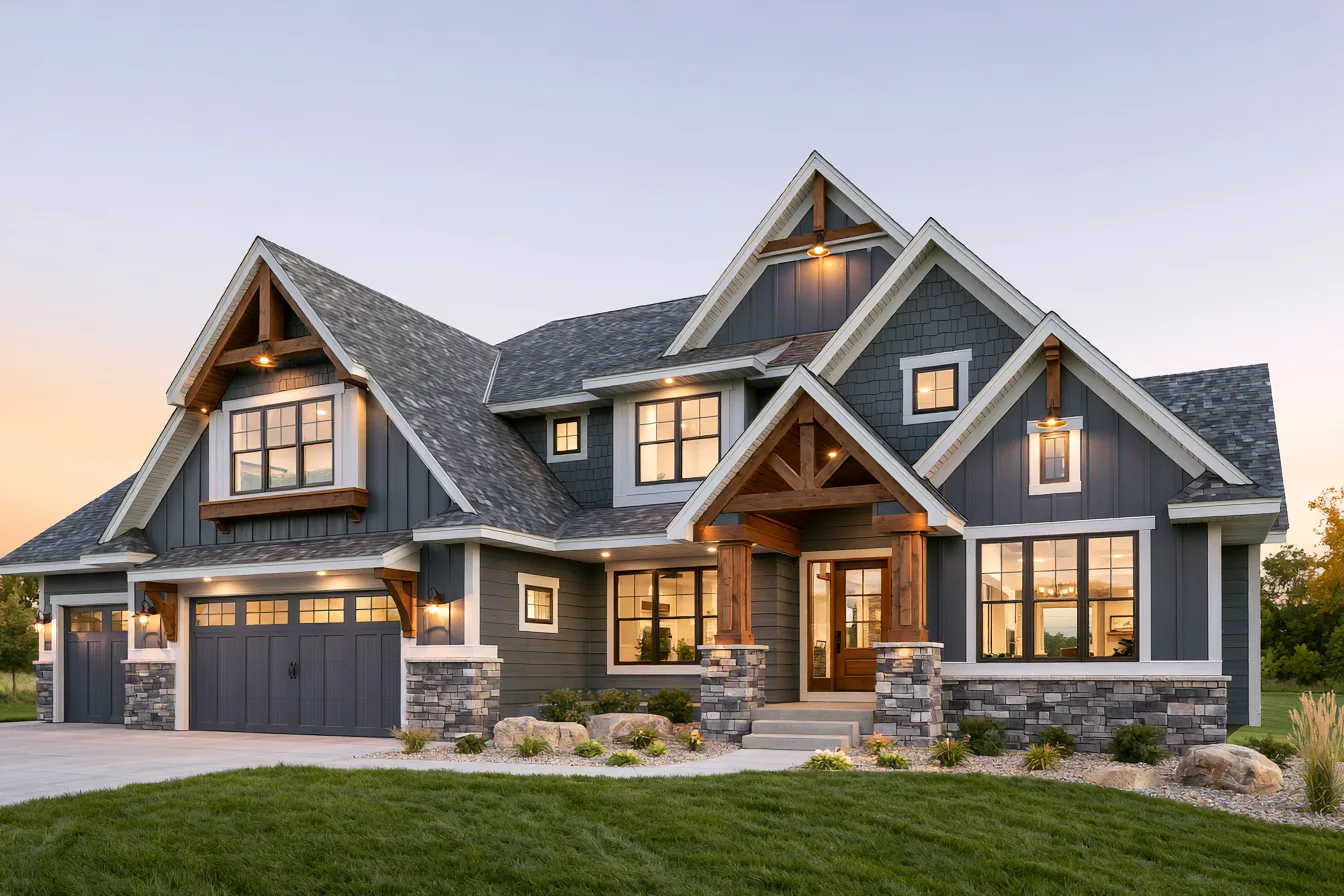
Fayetteville, AR
A valley behind a dormer can leak while the front slope still looks sound. On Washington-Willow’s older rooflines, finding the right repair starts with the joins.
Permission, and who has it
Gables, dormers and porch roofs meet in small corners that collect water from larger slopes. A leak at one of those joints does not automatically mean every shingle needs replacing. A roofer checks how the flashing and surrounding covering fit together.
If you are considering a different material or changing a visible roof feature, Washington-Willow’s voluntary design guidance is useful context. The roof’s condition and the work it needs still come first.
Washington-Willow is a National Register district, and the City’s design standards are voluntary best practices. They can help with the appearance of a replacement, especially a change in profile or material.
That distinction leaves room to discuss the roof you want without confusing design guidance with a building permit. Permit requirements and any property-specific restrictions still need to be checked for the actual work.
Washington-Willow
The City explains the status in its Washington-Willow guidance.
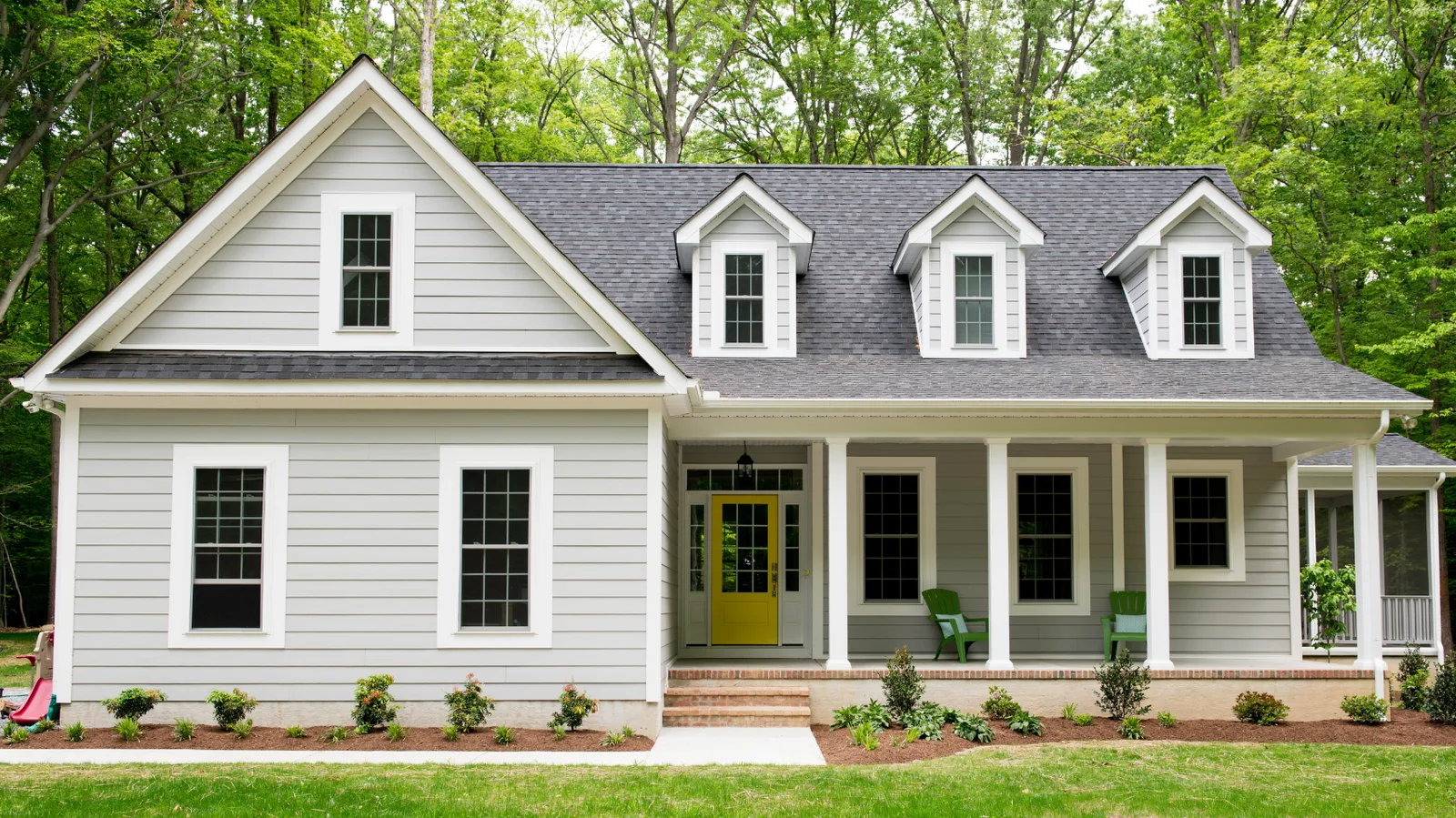
Water from a wide slope can arrive at a small valley or wall joint. The inspection needs to follow that route, not stop at the stain.
Debris and failed lining can interrupt the route water takes off the roof. A repair needs to reconnect to sound covering on both sides.
Step flashing follows the shingle courses where a roof meets a wall. A gap here can show as a leak farther downhill.
An addition can join a steep main roof to a much lower slope. Those coverings may need different details.
Thickness, weight and minimum pitch matter alongside the look from the street. Compare the complete assembly, not just the color.
Beyond these blocks
Nearby roof questions also have their own pages for Wilson Park, Mount Sequoyah and Downtown Fayetteville. Send the property ZIP if your address is between the named areas.
Open the area in Google Maps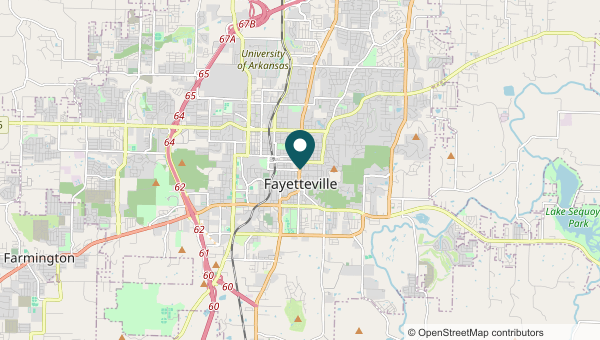
Whichever of these your house turns out to need, our roofers price it off the roof itself, valleys and dormers and all. They're all on the services page.
Tear-off to a new covering, with what's under it looked at once the old layers are off.
Explore this service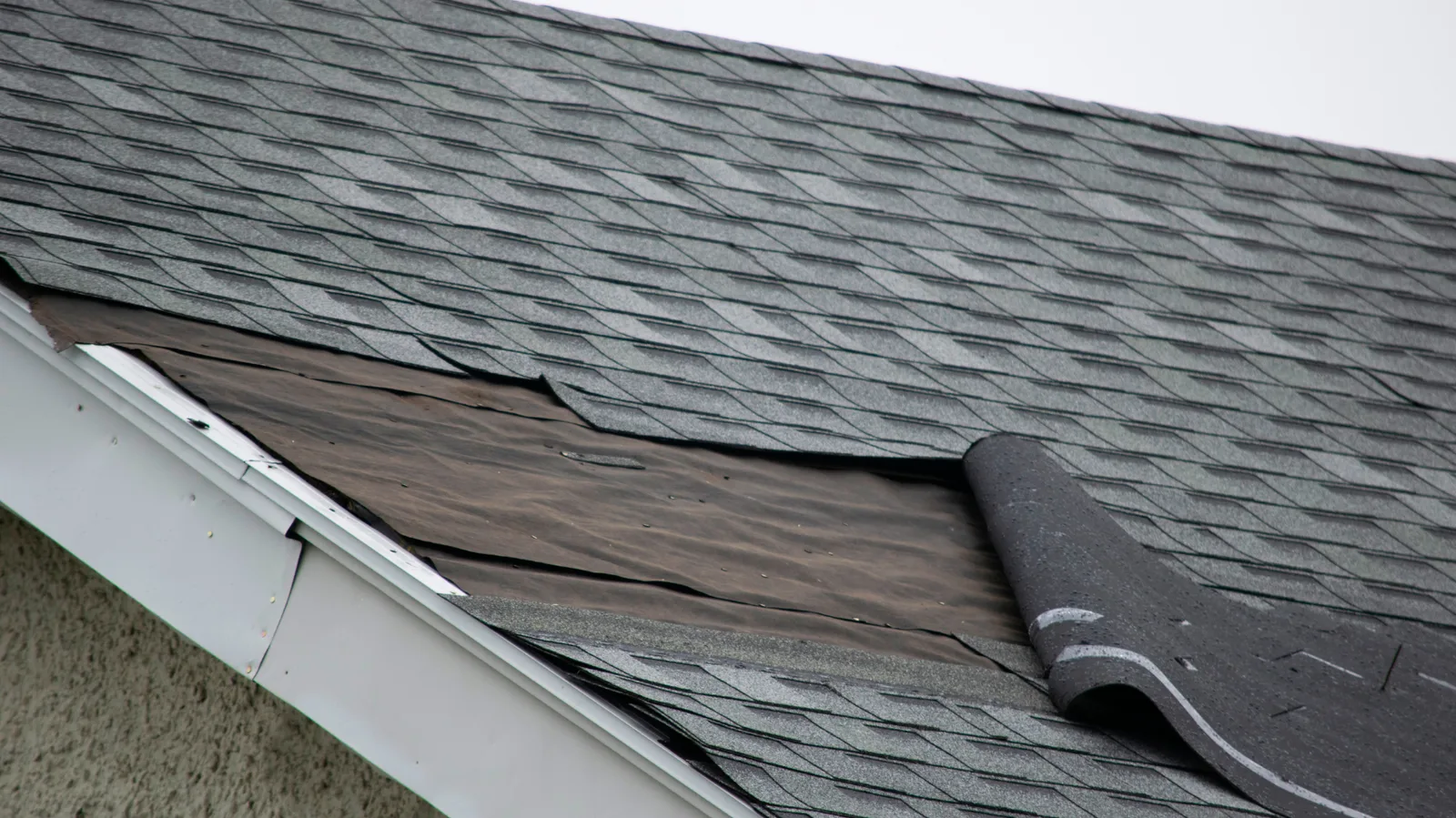
One slope, a run of flashing, or the ten shingles the wind took.
Explore this service
Chasing the water back from the ceiling stain to wherever it's getting in.
Explore this service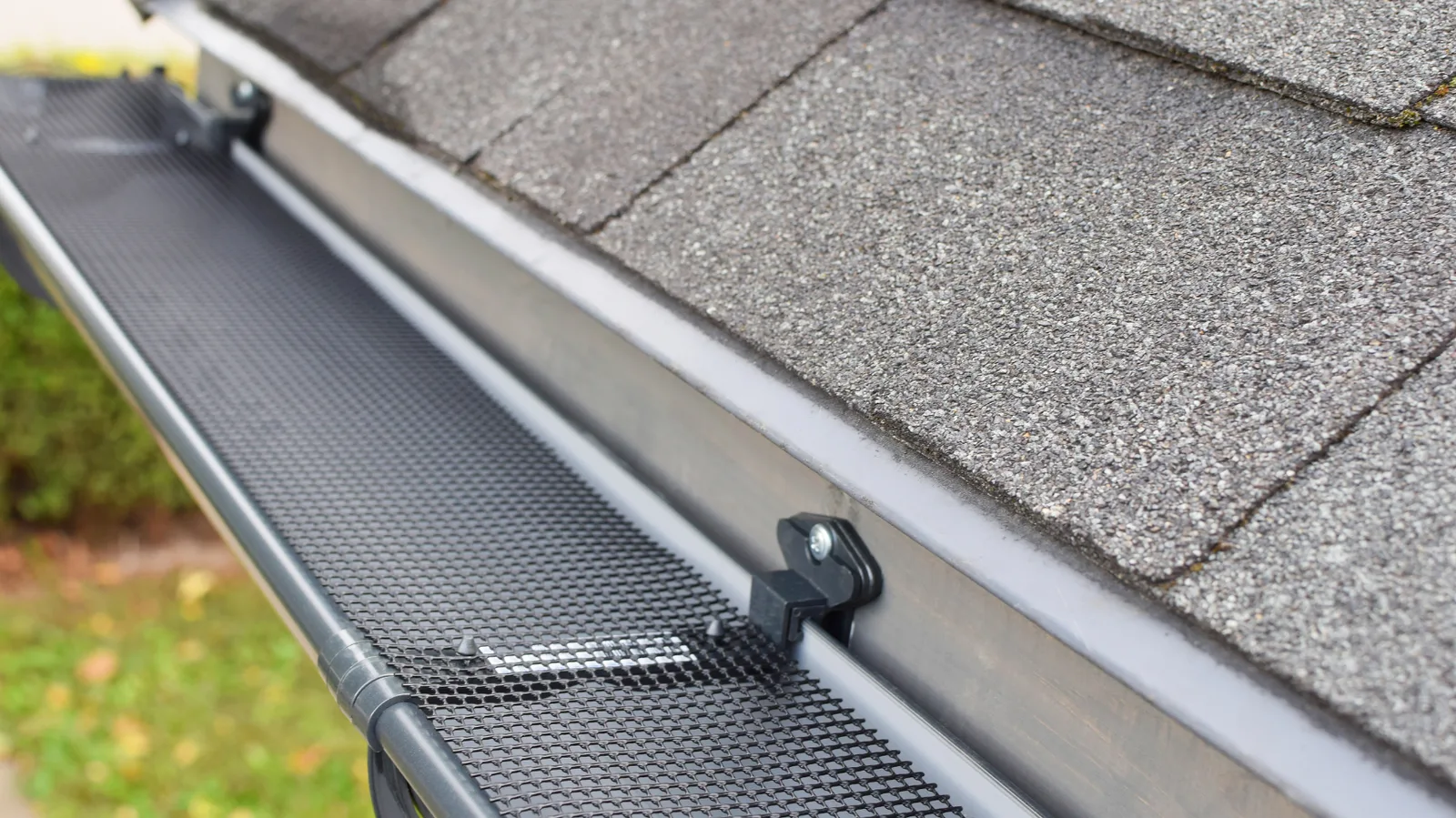
Gutter and downspout work, usually alongside the roof that drains into it.
Explore this serviceRepair and replacement
The City describes Washington-Willow’s design standards as voluntary guidance. That is separate from building permits and any requirements specific to the property or proposed alteration. Have those checked before work begins.
Yes, when the flashing can be rebuilt and tied into sound surrounding shingles. If the shingles break when lifted or the wood below is damaged, the repair needs to reach farther. The inspection establishes that on the roof.
Compare appearance with weight, pitch and the number of valleys and wall joints. The voluntary guidance can help with the historic character; the materials guide explains the practical differences.
A larger repair or partial replacement can be discussed when the remaining covering is sound. Matching color and joining the old and new work need thought. A repair inspection is the starting point.
Fayetteville Select Roofing
Tell us where the leak shows or what you are considering changing. A free inspection helps separate a failed detail from a roof that needs broader work.
(479) 396-3185