Single-ply
TPO
A thermoplastic membrane with heat-welded seams. The seams, attachment, edges and penetrations all matter to the finished assembly.
TPO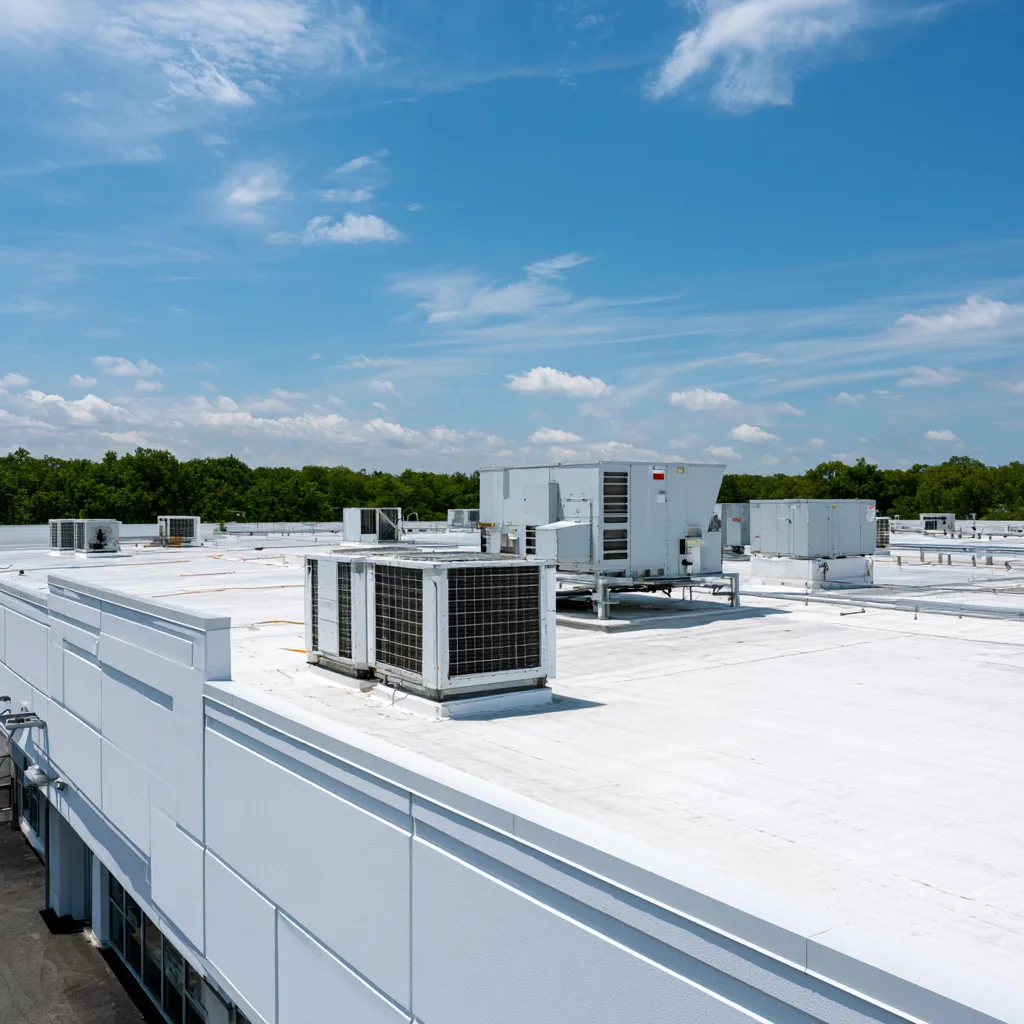
Fayetteville, AR
Repair, coating or replacement: the right scope depends on the roof you have and the building beneath it. Our roofers help Fayetteville owners work through those choices.
Where the bids differ
Three bids can describe three different jobs. One may keep the existing insulation, another may replace it, and a third may price a coating over the surface. Start by asking what each proposal assumes about the roof underneath.
Repair addresses a defined failure in an otherwise serviceable assembly. A seam, flashing or curb may be repairable when compatible material remains around it and any damaged layers can be dealt with.
Restoration adds a compatible coating after the existing roof meets the system’s condition and preparation requirements. It can postpone a tear-off on a suitable roof.
Replacement becomes the stronger option when deterioration, widespread moisture, drainage or assembly restrictions make continued repair or recovery a poor fit. A limited wet area does not automatically condemn an entire roof.
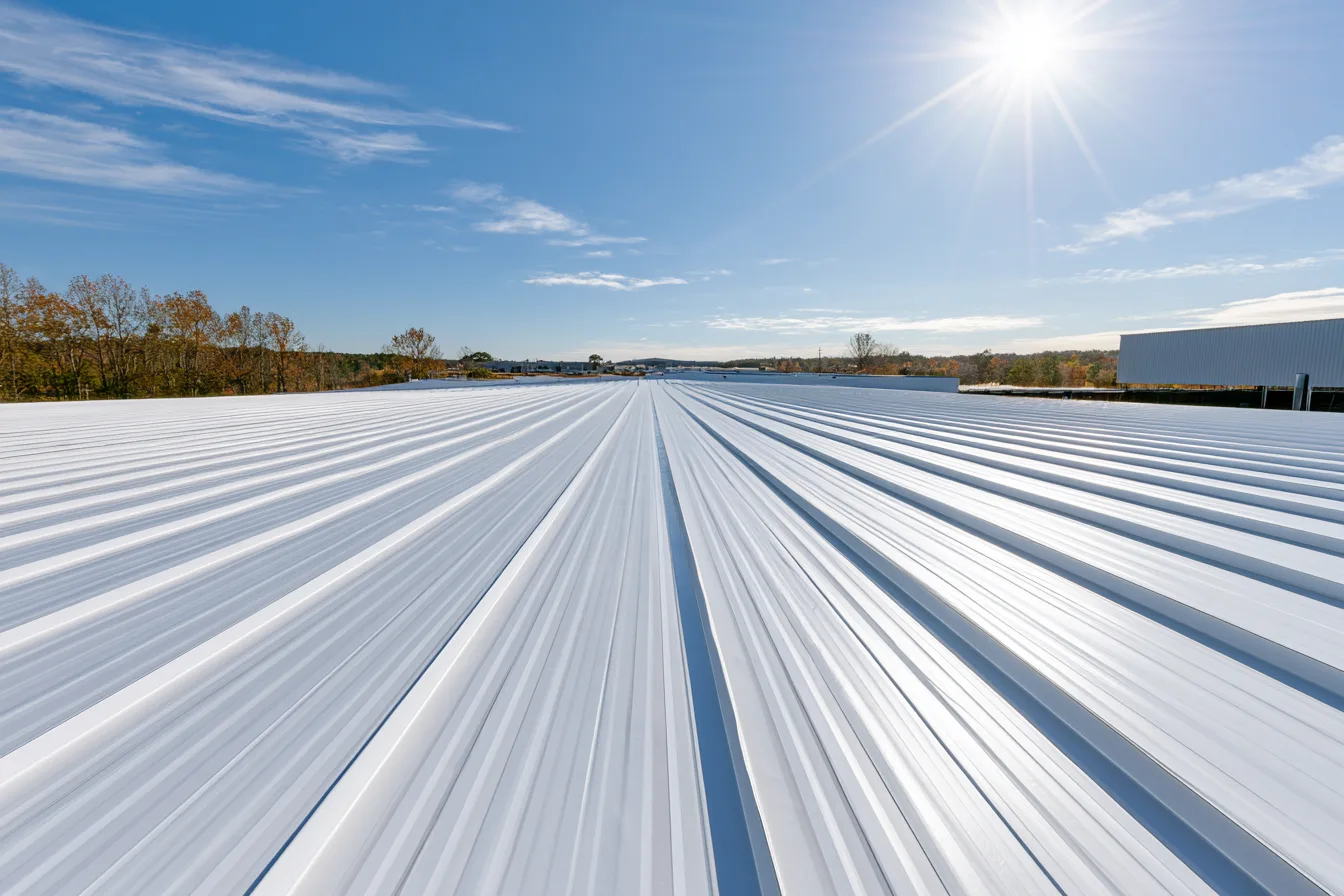
Flat and low-slope roofs are not one product. The system already on your building decides which of the three answers is even open to you, and each of these materials fails in its own way. What a TPO membrane needs looked at is not what a rubber roof needs looked at.
Single-ply
A thermoplastic membrane with heat-welded seams. The seams, attachment, edges and penetrations all matter to the finished assembly.
TPOSingle-ply
A black rubber membrane that has been going on low-slope roofs for decades. It takes temperature swing well, and its weak points are the seams and the terminations at the edge.
Single-ply
A thermoplastic membrane often considered where exhaust or chemical exposure matters. Compatibility depends on the substance and the specified product.
Layered
A reinforced asphalt system with several application methods, including self-adhered and cold-applied systems. Protection and detailing still matter where equipment is serviced.
Flat roof
A replacement can address failed membrane, damaged insulation and drainage together. The condition and assembly determine what must come off.
Full roof assemblyRestoration
A liquid membrane rolled over a sound existing roof to seal the surface and slow the aging. It postpones a replacement, and it does nothing for insulation that is already wet.
Fluid-applied coatingsIf you do not know the roof system, describe the building and what is happening inside. Identifying the existing covering is part of the assessment.
Measured, then priced
A commercial estimate is a list before it is a number, and the list is what tells you whether two bids describe the same job or two different ones.
The roof surface, walls and flashing areas need quantities that suit the proposed system. Measurements and records should be checked against the actual building.
Identify which layers will be removed, how debris will leave and where staging can take place without blocking the business.
A moisture assessment helps establish the affected area. The proposal should explain what is included and how additional damaged insulation would be priced.
Wood, steel and other decks need different repairs. Ask how the deck will be assessed and how work revealed during tear-off will be authorized.
Attachment, coping and terminations should suit the deck, building and design loads. A new membrane does not solve loose or unsuitable edge details by itself.
Curbs, drains, pipes and vents need details compatible with the chosen assembly. Compare the treatment and quantities as well as the membrane name.
Ask which material or system warranty is available and what workmanship coverage the contractor offers. Compare the written terms using the warranty guide.
A tight frontage or shared parking lot can change staging. Our cost guide covers steep-slope shingle and metal replacement; those ranges do not price a commercial membrane roof.
From the ask to the last walk
A commercial replacement is a long run of ordinary days. Tear-off and dry-in are the loud, visible part; the detail work at the edges, the curbs and the drains is slow and quiet, and it is the part that decides how the roof ages.
Step one
Size, use, age, and what you're seeing inside. A stain over a back office, a puddle nobody can account for. That's enough to know what kind of look the roof needs.
Step two
Safe roof access, leak history and available records help establish the scope. If moisture testing or exploratory cuts are needed, agree the methods, access and any charge before that work.
Step three
Compare the assembly, removal, insulation, drainage and detail work. Check allowances and exclusions, including how hidden damage would change the price.
Step four
Discuss the quote’s validity, the budget and any phasing the business needs. Approve the scope and contract before scheduling work.
Step five
Arrange the closeout records and review with the contractor. Confirm the specified work, drainage details and maintenance requirements without requiring you to walk the roof.
Who covers what
The questions that come up before anyone gets to a number.
Yes, a defined failure may be repairable where sound material remains around it. The extent of moisture and deterioration matters more than one leak’s appearance. See flat roof repair for the repair questions and replacement for a wider assembly problem.
Ask for the proposed manufacturer or system warranty and the contractor’s workmanship terms. Coverage and exclusions vary; the warranty guide helps you compare the documents.
Measured area, assembly, attachment, insulation, drainage, access and detail work establish the scope. If tests or openings are needed to price it properly, agree them first. Ask which quantities are fixed and which remain allowances.
Ask about phasing before the job is scheduled. A commercial roof comes off in sections, and the order of those sections, where the staging goes, and what it means for entrances, loading and rooftop equipment are part of what the roofer walks you through and what the paperwork spells out. Read that part against how the building runs.
Yes. Include the property manager or authorized owner, and explain entrances, deliveries and rooftop equipment that must stay available. Access and phasing belong in the scope before work is scheduled.
Fayetteville Select Roofing
Tell us the building address, its use and what needs attention. Request a free inspection and discuss the next step for your roof. Any specialized testing or written report should be agreed separately.
(479) 396-3185