Snow and Ice on a Fayetteville Roof, and What Not to Do
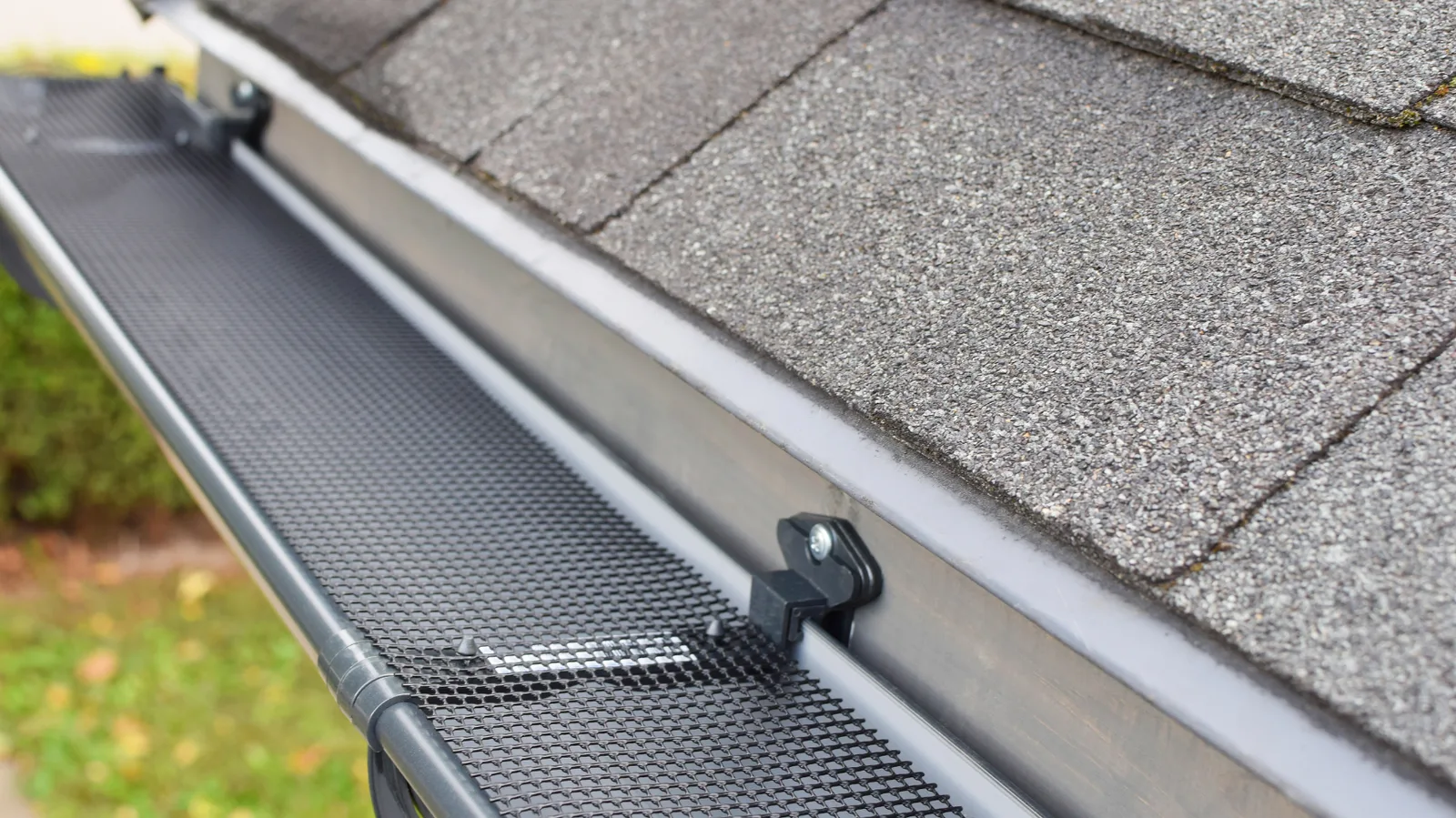
Snow on the roof and icicles along the gutter can make you want to get a ladder out. Leave the ladder where it is. The useful questions are what the snow is loading, where meltwater is backing up, and whether the house is showing distress. Here's how ice at the eave can cause a leak, and how to get help without putting yourself on a frozen roof.
Snow depth alone does not tell you the load
Wet snow, drifting and ice can put very different loads on a roof. You cannot judge its capacity from how sound the shingles look or from what it carried last winter. Lower roofs can also collect sliding snow from the slopes above them.
Pay attention to a new sag in a roof or ceiling, cracking or popping sounds, or doors that suddenly bind during heavy accumulation. If the building appears to be under strain, leave it and call emergency services from a safe place. Do not go into the attic or onto the roof to investigate a suspected structural problem.
For a concern about accumulation without signs of distress, contact a qualified roofing or structural professional about assessment and safe removal. There isn't a single snow depth this page can call safe for every Fayetteville house.
The trouble starts down at the eave
One route to an ice dam starts with warmth reaching the roof deck. Snow higher on the roof melts, then the water reaches the colder overhang and freezes again. Repeated thawing and refreezing can build a ridge along the eave. Water held behind it may work beneath shingles that normally shed water downhill.
From a safe place outside, you might see ice along the edge or large icicles. Inside, a new stain near an exterior wall can be another clue. Those signs don't settle the leak's source on their own: flashing, gutters and other roof details may need checking too.
Keep tools and feet off the frozen roof
Chipping ice with a pick or scraping frozen shingles can damage the covering. A snowy roof also hides edges and slick footing. Keep people away from falling ice and sliding snow, and arrange professional help when removal is needed.
A roof rake can remove some snow while you stay on the ground, but only where you can work safely, clear of power lines and falling material, with equipment suited to the roof. It is not a way to reach every slope. If safe access is doubtful, leave the work to a professional.
If water is coming in, protect belongings only where it is safe and contact a roofer promptly. Keep clear of wet electrical fittings and a sagging ceiling. Roof work must be timed around safe conditions, but an active leak is not something to ignore until the weather feels convenient.
Look for the heat and water paths before next winter
Once the immediate problem is controlled, look at what helped the ice form. Air leakage into an attic, uneven insulation, blocked ventilation and drainage restrictions are useful places for a professional to investigate. Changes around electrical fixtures and exhaust equipment need appropriate installation, not a quick bead of sealant over whatever opening is visible.
The roof-side details matter too. During roof replacement, discuss the eave protection, valleys and underlayment specified for your house. A leak barrier adds protection beneath the shingles; it does not make ice dams or structural snow loads harmless.
If the same edge leaks after a thaw, tell our roofers when it happens and where the stain first appears. That history helps with a roof leak inspection. A useful fix follows the water and its cause, rather than covering the ceiling stain and hoping the next winter is milder.
For a winter leak, tell us where the water appeared and request a roof inspection. For signs of structural distress, leave the building and seek emergency help.
The questions a cold week brings in
Short answers, and none involve going up there.
Should I remove snow from my roof?
Heavy accumulation may need removal, but roof condition, drifting and snow weight all matter. Seek professional advice about the load and safe access. Do not climb onto a snowy roof or chip ice from the shingles.
Why does ice build up at the edge of a roof?
Meltwater can refreeze at the colder overhang and form a ridge. Water held behind it may get beneath the roofing. Repeated icing is a reason to check heat loss, ventilation and drainage.
Do heat cables stop ice dams?
A properly selected and installed system can help maintain a drainage path. It does not correct the attic conditions that may contribute to ice or establish how much snow the roof can carry. Discuss the roof and electrical requirements before adding one.
Where does an ice dam leak show up inside the house?
It may appear near an exterior wall or on a ceiling below the affected edge. Water can travel, so the stain is a starting point rather than proof of the entry point. Report an active leak promptly and stay clear of wet electrical fittings or a sagging ceiling.